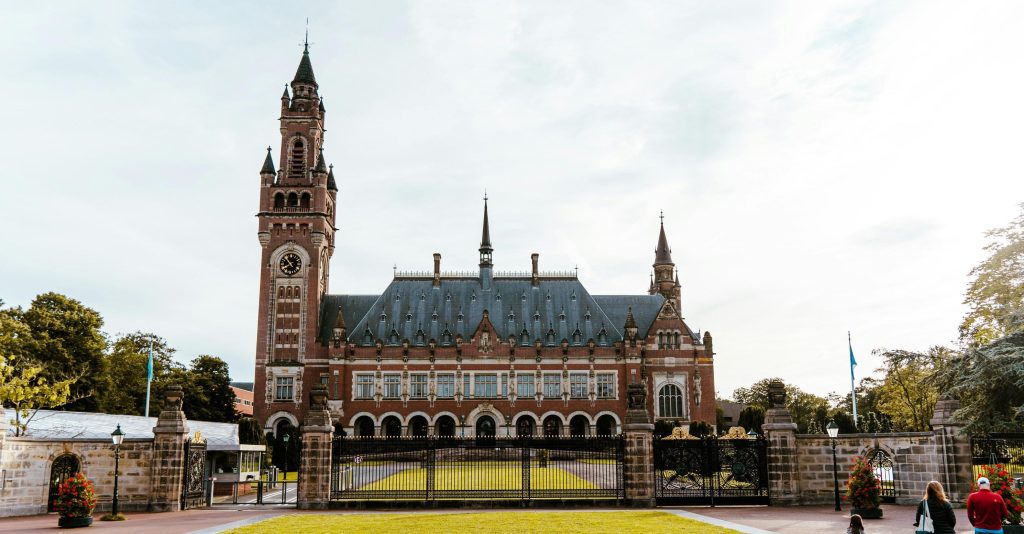
For the first time in its history, the International Court of Justice (ICJ) has found a state guilty1 of committing genocide. The ICJ ruled that Myanmar was in breach of the Genocide Convention by both conducting and failing to prevent genocide against the minority Rohingya group in the state of Rakhine.
This is the first time a state has been found guilty by an international court of committing genocide and could set precedent for pending cases against Russia and Israel. The two previous cases brought before the ICJ, both relating to conflicts in the Balkans, were either ruled to have not been conducted by a state (Srebrenica genocide) or found not meet the bar of genocide (Croatia vs Serbia).
The case was submitted by Gambia in 2019 and was one of four cases involving alleged breaches of the Genocide Convention being considered by the ICJ.
The situation in Myanmar
Reports of persecution of the Rohingya date back to at least the 1970s but the court was considering events that escalated in 2017 when Myanmar’s security forces began an intensified campaign of persecution. Before these acts the Rohingya, who are predominantly Muslim in majority Buddhist Myanmar, made up roughly 2% of the country’s population.
A UN fact finding mission, human rights organisations and international journalists all reported widespread extrajudicial killing, torture and mass rape by Myanmar’s security forces, as well as the intentional burning of Rohingya villages to force them to flee the country.
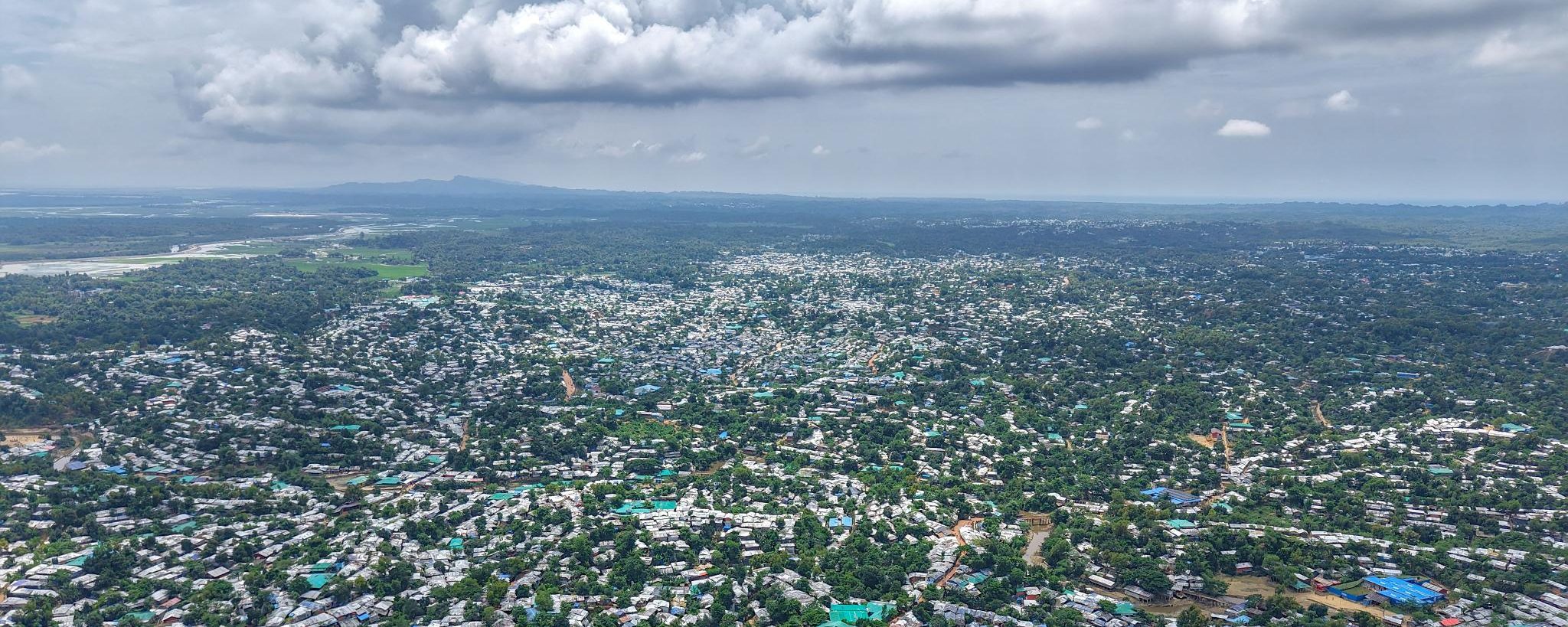
While exact numbers of deaths are hard to verify, it’s widely accepted that thousands of Rohingya have been killed. The UN reports over 700,000 people were driven out of Myanmar as a result of the violence. Today many remain in refugee camps in Bangladesh without formal legal refugee status, unable to work, access higher education or even move freely. In 2021, a military coup deposed the Myanmar Government but that did not materially change the conditions for Rohingya. Flare ups of violence in 2023 and 2024 forcibly displaced an estimated 150,000 more people.2 The number of Rohingya living in camps in Bangladesh now stands at 1.2 million.
Is anyone still listening?
While it represents a world first and the decision is final (the ICJ allows no avenue for appeal) there is unlikely to be immediate consequences for Myanmar’s Government. The military leadership of Myanmar may find it harder to forge international relationships, but they were already considered a pariah by many of the states likely to pay attention to this new ruling. At a time when major international powers are undermining multilateral institutions leading to scepticism of their efficacy, it is possible to cast this ruling as a welcome but ultimately futile move.
There are other avenues to justice. The International Criminal Court (ICC), which handles the prosecution of individuals rather than states, has requested an arrest warrant for Min Aung Hlaing, the former military general who seized power in Myanmar in the 2021 military coup. However, because Myanmar is not signatory to the Rome Statute, which the ICC is responsible for upholding, there is little chance of resolution while Min Aung Hlaing remains in power.
The case also has potentially significant ramifications for pending ICJ genocide cases including South Africa’s case against Israel relating to its actions in Gaza and Ukraine’s case against Russia after its 2022 invasion. Nicaragua also has a case being considered accusing Germany of contributing to genocide in Gaza through its military support of Israel and suspension of funding for UNRWA – the UN agency responsible for humanitarian aid in Palestine that Israel accused of harbouring terrorists.
A road to justice
We can see in other historic cases of national healing after internal ethnic and religious conflict, such as post-apartheid South Africa and post-genocide Rwanda, that truth-telling is a vital step towards reconciliation. This is a core pillar of Christian justice work too.
However, Christian theologies of justice also require those responsible to take accountability for their actions and to face legal repercussions. Crucially, those impacted need to be heard and supported along the difficult path to healing, reconciliation, and material reparation.
In both the South African and Rwandan cases, justice and reconciliation were long and complex journeys, but they were both built on a recognition of wrongdoing and the backing of the respective national governments. In the case of Myanmar, the road ahead certainly seems destined to be a long one, but perhaps this ruling is the first step on the way.
Pray:
- For Rohingya people still grieving violence and persecution.
- For an end to religious persecution and civil war in Myanmar.
- For a return to safety and security for those forcibly displaced.
[1] Strictly speaking, the ICJ determines state responsibility and whether a state is in breach of the Genocide Convention—rather than finding a state “guilty” in a criminal sense (which applies to individuals in criminal courts, such as the ICC)
[2] Myanmar genocide ruling ‘important recognition of what Rohingya have endured’ | MSF UK
