
Paul Morrison introduces our Essentials Guarantee campaign, breaking down the current low rates of benefit and imagining what the way forward could look like. You might imagine that the rates of Universal Credit (UC) were calculated carefully, perhaps using a formula that looks at criteria such …
Universal Credit
Child poverty: a step forward

JPIT’s Paul Morrison explains the context for the response from faith leaders to the government’s child poverty strategy Today faith leaders have responded to last week’s child poverty strategy. The headline from the strategy, and the headline from the leaders’ response, is the abolition of the …
We could reduce child poverty by half a million

Child poverty has steadily increased over the past 15 years, but it is clear how that trend can be reversed. It requires government and institutions to prioritise poverty reduction, and a significant financial investment in measures that will have an impact. In the autumn, the Government will …
Insulting the disabled…again
Last month the Leader of the Opposition gave a speech about disability benefits that resurrected the discredited “Skiver v Striver” rhetoric of 15 years ago. This time it is “Makers v Takers”, a slogan which she did not make, but took from US debates in the early 2010s. This pattern of …
Is Britain suffering from “sick note culture” or from unhelpful rhetoric and tired old policy?
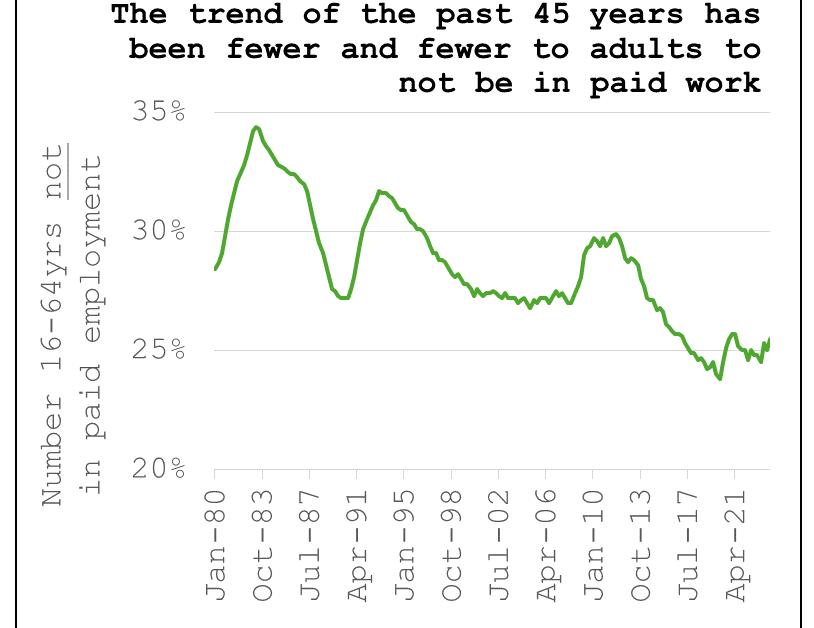
The Prime Minister’s speech and press release on disability benefits last week was depressingly familiar. The formula of “moral mission”, “unsustainable cost”, “toughen-up testing” followed by a bit of “they are gaming the system” has been used repeatedly over the past decade – a decade in which the …
Why must every social security announcement feature a big threat?

“Anyone choosing to coast on the hard work of taxpayers will lose their benefits” said the Chancellor, as he announced a raft of changes to the social security system. The press release riffs on old and unpleasant themes. Benefit claimants are to be treated with suspicion because they may be “taking …
Sanctions don’t work – but they are increasing anyway

Last month, the Department for Work and Pensions released its internal review into the effectiveness of benefit sanctions[1]. To summarise the report – sanctions are not effective. Not only are they ineffective – they are harmful. Previous research shows that removing benefits increases hardship, …
“He has filled the hungry with good things” – What we need from the Autumn Budget
Last week, the Trussell Trust revealed that their 1,300 foodbanks across the UK gave out 1.3 million emergency food parcels between 1 April and 30 September 2022. This marks a rise of over 50% from pre-pandemic levels, more than ever seen before. Wave after wave of crisis has driven 320,000 people …
Why I hate Warm Banks (and why my church is opening one)
Last year Trussell Trust foodbanks provided emergency food parcels for 2.1 million people, and this year the number will be higher. Even that tells only part of the story, as Trussell represents around half of the foodbanks in the UK. In the space of a decade, foodbanks have gone from virtually …
Churches respond to risk to benefit levels
The Methodist Church in Britain, the United Reformed Church and the Baptist Union of Great Britain respond to the proposal to limit the uprating of benefits, risking a real terms cut to benefit levels: The social security system should prevent families from being pushed into hardship, yet …